Ethically Sourced Fur Is a Timeless Fashion Statement
Fur has long been a symbol of luxury and style. Yet, in recent years, the fashion world has faced growing concerns about animal welfare and environmental impact. This has led to a shift toward ethically sourced fur, which combines the elegance of traditional fur with responsible practices. Ethically sourced fur offers a way to enjoy timeless fashion while respecting nature and animal rights.
What Makes Fur Ethical?
Ethically sourced fur means the fur comes from animals raised or harvested in ways that prioritize their welfare and minimize environmental harm. This includes:
Humane treatment: Animals live in conditions that meet or exceed welfare standards.
Sustainable sourcing: Fur is obtained without depleting wild populations or damaging ecosystems.
Transparency: Brands provide clear information about where and how the fur is sourced.
Traceability: Consumers can track the origin of the fur to ensure it meets ethical criteria.
These principles contrast sharply with fur from unregulated sources, where animals may suffer and ecosystems may be harmed.
How Ethical Fur Is Produced
Ethical fur production involves several key practices:
Farming with care: Some farms raise animals like mink or foxes in spacious, clean environments with veterinary care and natural diets.
Wild fur harvesting: In some regions, regulated trapping of wild animals follows strict quotas and humane methods to maintain population balance.
Byproduct use: Some designers use fur that comes as a byproduct of the meat industry, reducing waste.
Innovative alternatives: Advances in technology have created high-quality faux fur and fur blends that mimic real fur’s look and feel without animal harm.
For example, Scandinavian countries have strict regulations on fur farming, ensuring animals are treated well and environmental impact is low. These models show how fur can be part of a responsible fashion industry.

Why Choose Ethically Sourced Fur?
Choosing ethically sourced fur supports several important values:
Animal welfare: It ensures animals are treated with respect and care.
Environmental responsibility: Ethical sourcing reduces habitat destruction and pollution.
Quality and durability: Real fur is naturally insulating and long-lasting, making it a sustainable choice compared to fast fashion.
Cultural heritage: Many indigenous communities rely on fur for traditional clothing and livelihoods, using sustainable methods passed down for generations.
Ethical fur also allows consumers to enjoy the beauty and warmth of fur without guilt. It bridges the gap between fashion and conscience.
How to Identify Ethically Sourced Fur
Consumers can look for several signs to confirm fur is ethically sourced:
Certifications: Look for labels from organizations like the FurMark certification or the Responsible Fur Standard.
Brand transparency: Brands that openly share their sourcing practices and animal welfare policies are more trustworthy.
Local sourcing: Fur sourced from regions with strong animal welfare laws is often more ethical.
Material details: Ask about the origin of the fur and how animals were treated.
Shopping at boutiques or brands specializing in ethical fashion increases the chance of finding genuine ethically sourced fur.
Styling Tips for Ethically Sourced Fur
Ethically sourced fur can elevate many looks. Here are some styling ideas:
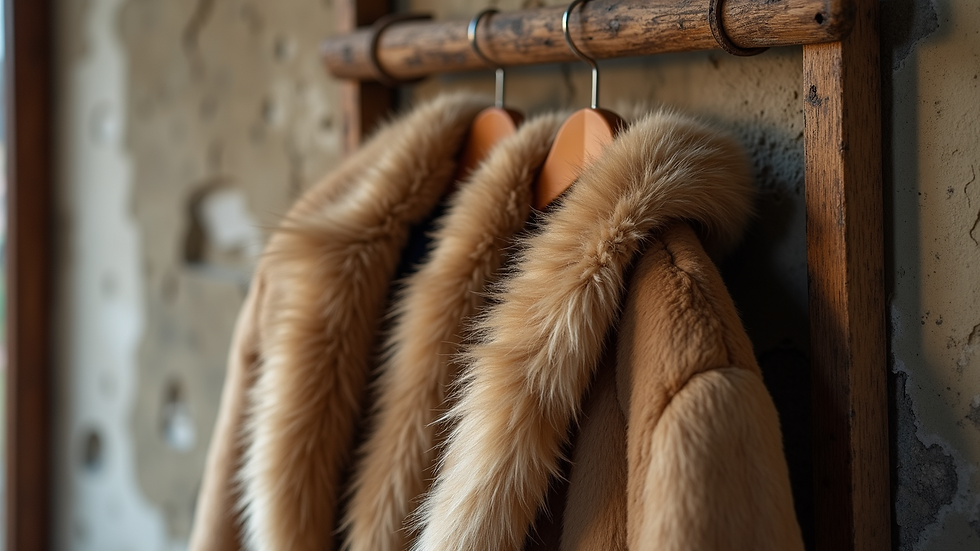
Classic fur coats: Pair a fur coat with tailored trousers and boots for a timeless winter outfit.
Fur accessories: Use fur collars, hats, or gloves to add texture and warmth without overwhelming your look.
Layering: Combine fur vests with sweaters and jeans for casual elegance.
Mixing materials: Combine fur with leather or wool for contrast and richness.
Because ethically sourced fur is durable, it can be a wardrobe staple for years, making it a smart investment.
The Future of Fur in Fashion
The fashion industry is evolving. Ethical fur represents a middle ground between tradition and innovation. Designers are exploring new ways to source fur responsibly while creating modern, stylish pieces. Consumers are becoming more aware and demanding transparency.
At the same time, alternatives like high-quality faux fur continue to improve, offering options for those who avoid animal products altogether. The key is choice informed by knowledge and values.
Final Thoughts
Ethically sourced fur offers a way to enjoy the luxury and warmth of fur while respecting animals and the environment. It requires careful sourcing, transparency, and commitment from brands and consumers alike. For those who appreciate timeless fashion, ethical fur provides a responsible path forward.
If you are considering adding fur to your wardrobe, look for ethical options. Support brands that prioritize animal welfare and sustainability. This way, your fashion choices can reflect both style and conscience.
Explore ethically sourced fur and discover how this classic material can fit into a modern, responsible lifestyle.

Comments